The challenge facing institutions isn’t whether their history deserves preservation—every organization accumulates meaningful stories, significant achievements, and defining moments worth documenting through digital scholarship. The question is how to transform scattered historical materials into organized, accessible, engaging digital systems that serve multiple goals: inspiring community members, connecting constituents, supporting communication efforts, and honoring the countless individuals who contributed to the institutional legacy.
A well-structured archive makes institutional history accessible and engaging for entire communities, providing the foundation for a comprehensive digital archive that preserves heritage for future generations.
Understanding Digital Archive Management Systems
Modern archiving software and specialized digital archiving software encompass diverse solutions serving different aspects of digital record preservation and presentation, including effective data migration tools. Organizations accumulating decades or centuries of historical materials—records, photographs, correspondence, and artifacts—benefit from solutions that combine professional-grade preservation with modern accessibility.
Core Capabilities of Archival Platforms
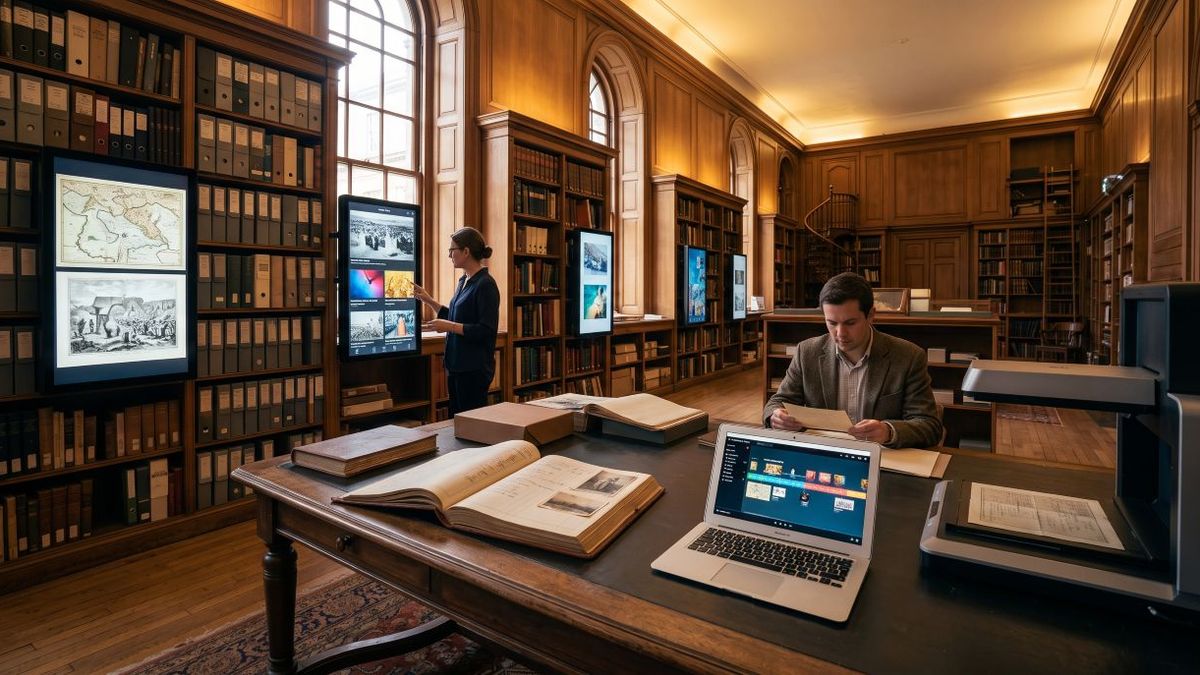
Effective platforms typically include the best digital archiving software and management software to enhance user experience and accessibility.
- Document scanning and digitization workflows that convert physical materials to searchable digital formats
- Advanced metadata tagging systems that categorize content by year, person, event, or custom classifications enhance digital scholarship and improve searchability.
- Search functionality enabling users to quickly locate specific information across vast collections
- Preservation tools ensuring long-term digital file integrity and format migration are essential for maintaining digital material.
- Access controls managing who can view, edit, or contribute to cultural heritage collections are critical for regulatory compliance and data security.
- Integration with existing library or information management systems is vital for a comprehensive archive platform that supports digital material management.
Primary Use Cases for Digital Preservation
Comprehensive platforms excel for organizations managing historical collections, ensuring secure data storage and reliable long term data storage. Proper data archiving practices safeguard valuable digital files, while an effective workflow ensures that new digital content integrates seamlessly into the existing repository and complies with data migration standards.
Comprehensive Solutions for Digital Collections
For institutions seeking complete historical preservation and presentation systems rather than single-purpose tools, specialized collection platforms provide robust environments for managing diverse historical content.
Managing Digital Collections and Exhibit Websites
Creating engaging public-facing presentations often involves specialized tools like Omeka, which serves as a powerful open-source publishing platform for creating digital exhibitions. Organizations frequently utilize tools like collectionbuilder as a tool for creating modern static web technology, organizing digital assets into searchable, beautifully formatted showcases.
Whether utilizing established repository software or custom digital preservation software, organizations must carefully consider supported file formats to ensure future retrieval and prevent obsolescence. Implementing a robust digital preservation strategy guarantees that your digital archive remains accessible and secure over decades, supporting active digital preservation and regulatory compliance.
Key Features Distinguishing Quality Archiving Solutions
When evaluating a modern archiving solution, prioritize capabilities that ensure long-term success, seamless administration for enterprise archiving, and data migration processes.
User-Friendly Content Management
Technical complexity represents the primary reason enterprise archiving systems fail, particularly when they lack a cohesive software package for management. Quality platforms provide visual interfaces, logical workflows matching how teams naturally organize information, and robust content management features that do not require specialized technical skills.
Distributed Responsibility Support
Effective systems accommodate collaborative management through role-based permissions, allowing different departments or teams to manage relevant sections while maintaining centralized visibility and accountability.
Comprehensive Search and Discovery Features
Historical value depends on accessibility. Users should find information through keyword searches across all text content, faceted filtering, and related content recommendations that connect associated people, events, or achievements in the realm of digital cultural heritage.
Implementation and Support Considerations
Comprehensive systems require more than just software—they need successful implementation, ongoing support, and careful management of cloud storage and local file storage infrastructure.
Phased Rollout Approaches
Attempting to digitize entire institutional histories before launching creates overwhelming projects that stall or never complete, especially when lacking effective management tools for digital archiving and preservation. A staged rollout—starting with high-priority contemporary content and gradually expanding backward into historical depth—ensures steady progress and early value demonstration for digital cultural heritage.
Verification and Accuracy Protocols
Historical credibility requires rigorous fact-checking, multiple source confirmation for significant claims, original documentation review, and transparent uncertainty acknowledgment when definitive documentation is unavailable.
Conclusion: Preserving Legacy Through Modern Technology
Every organization accumulates meaningful history deserving preservation—milestones spanning decades, transformative moments, traditions defining identity, and countless individuals whose contributions shaped community character. Traditional preservation methods struggle with physical deterioration, storage space constraints, and static displays, prompting the need for active digital preservation using modern management tools.
Modern archiving technology addresses these limitations comprehensively, enhancing storage management and regulatory compliance for accessibility. By leveraging advanced digital preservation tools, secure data archiving, and intuitive management systems, organizations can transform passive viewing into active exploration. Selecting the right platform ensures that institutional cultural heritage remains vibrant, accessible, and secure for generations to come.