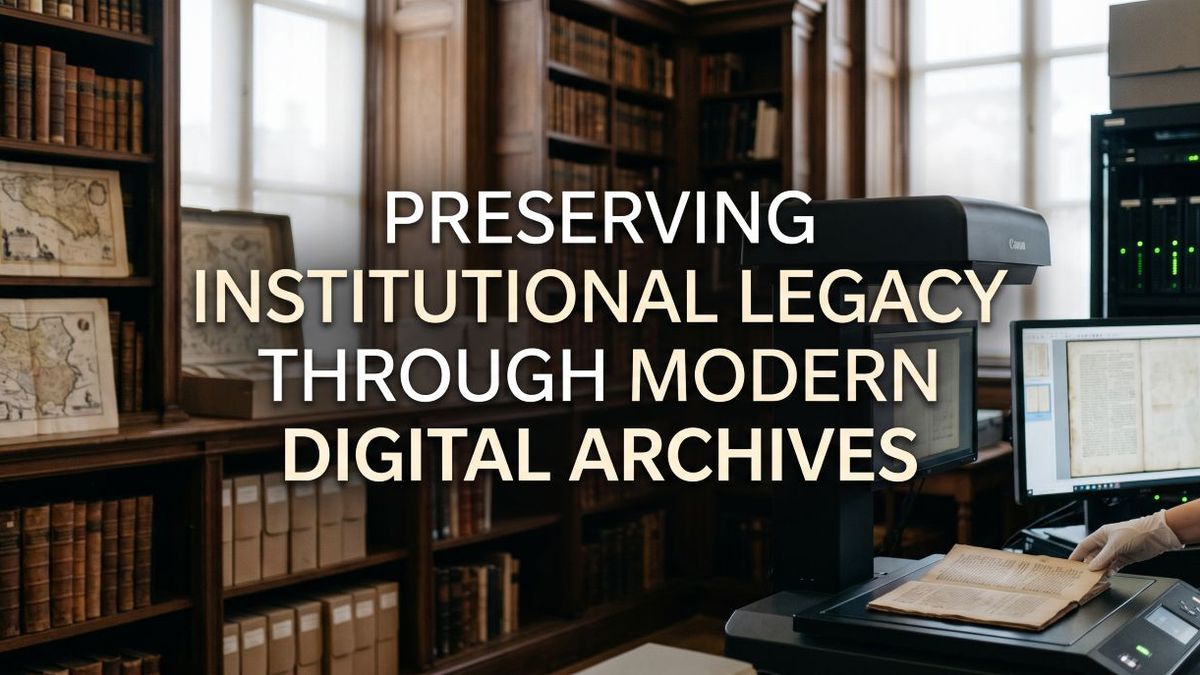
The transition from physical storage to digital archive platforms represents far more than simply scanning old documents. Modern digital archives combine preservation technology, content management systems, interactive displays, and community engagement tools to safeguard cultural heritage. Together, they transform historical records into discoverable, shareable, and valuable assets for researchers, alumni, current members, and administrative teams seeking to strengthen institutional connections through shared history.
The Limitations of Physical Archival Systems
Institutions accumulate diverse materials over decades: yearbooks, community newspapers, athletic programs, event bulletins, administrative records, photographs, and historical memorabilia, all of which are vital for our digital exhibitions. These collections tell an evolving story, yet traditional physical management approaches create persistent operational hurdles.
Physical Storage and Deterioration
Traditional archival methods face significant environmental and spatial constraints:
- Historical publications and records occupy large footprints of valuable facility space that must expand every year.
- Paper yellows, bindings fail, and physical photographs fade over time despite routine climate control efforts.
- Disasters such as plumbing leaks, fires, or pest infestations pose an ongoing risk of permanent, irreplaceable loss.
- Physical materials inevitably suffer wear and tear each time they are handled for research or display, emphasizing the need for effective digital preservation and long-term data storage solutions.
Restricted Access and Discovery Barriers
Physical collections naturally limit who can interact with institutional history:
- Access requires being on-site during designated hours, excluding community members and researchers located across the country or around the world.
- Browsing relies on manual page turning, physical indices, or tribal knowledge from long-tenured staff members, underscoring the need for improved digital content accessibility through collection platforms.
- Searching across multiple decades for a specific name, event, or team demands hours of manual labor, with no automated way to cross-reference related records, highlighting the need for effective retrieval systems.
A comprehensive digital platform eliminates these bottlenecks by moving records into secure, cloud-hosted environments that offer permanent protection alongside instant, global discovery.
Core Value of Digital Archives
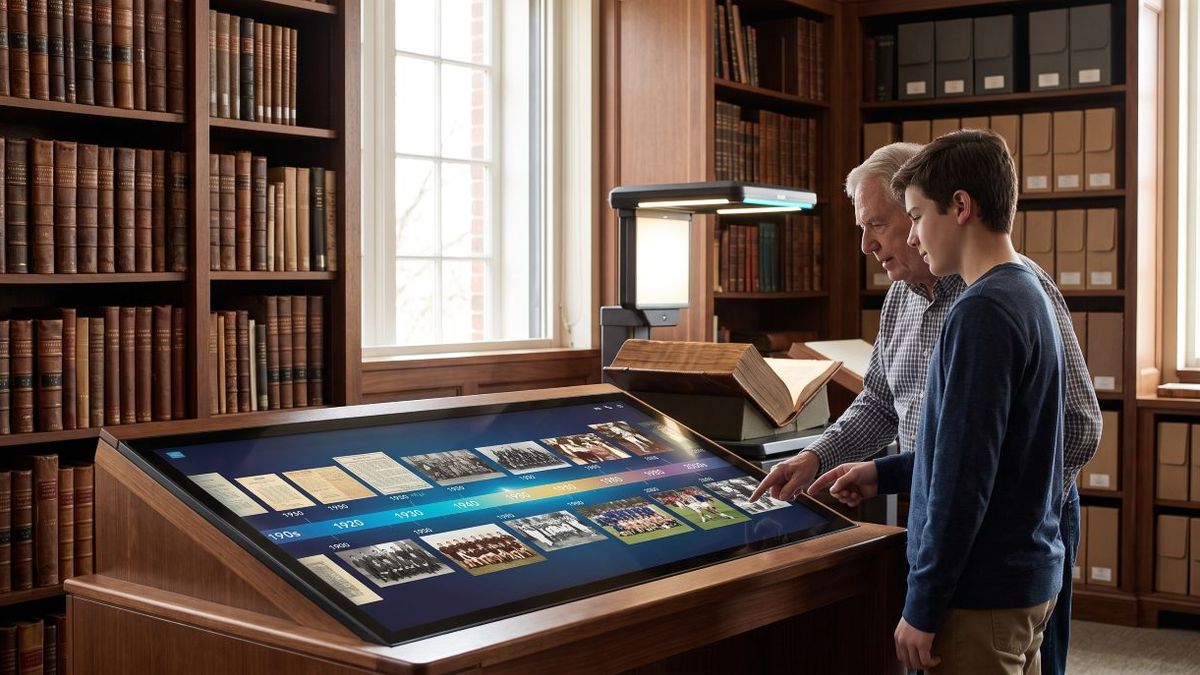
Digitizing institutional collections unlocks tangible benefits across engagement, research, and long-term operations.
Reconnecting Communities and Stakeholders
Historical records carry deep personal resonance, contributing to our understanding of cultural heritage. Providing self-service access to past publications, team rosters, and campus photography enables former members and graduates to revisit foundational milestones. This nostalgic connection supports community relations, event planning, and institutional development campaigns by celebrating past achievements and shared culture through exhibitions of cultural heritage.
Historical and Family Research
Yearbooks, newsletters, and local records are critical primary resources for genealogists, local historical societies, and independent researchers interested in cultural heritage. Making these materials fully searchable opens collections to broader historical documentation, service-member research, and local community preservation projects.
Protecting Institutional Memory
Every organization risks losing critical context as long-tenured personnel retire, highlighting the importance of effective data archiving and preservation software. Centralized digital repositories preserve administrative milestones, facility blueprints, policy evolutions, and cultural traditions, ensuring that institutional knowledge remains intact and accessible to future leaders.
Essential Elements of a Modern Digital Archive Platform
A complete digital archive balances high-fidelity digitization, structured cloud organization, and flexible presentation tools that serve audiences both on-site and online, facilitating long-term data storage.
High-Fidelity Digitization Workflows
The foundation of any digital collection begins with non-destructive, high-resolution capture:
- Specialized Book Scanning equipment is essential for the preservation of rare texts in our digital record collection. V-shaped cradles and split tables gently support bound publications like yearbooks, capturing complete spreads without straining spines or bindings during exhibitions, thereby preserving digital files for future access.
- Flatbed and Large-Format Scanners are crucial for digitizing oversized documents, ensuring their long-term accessibility in our cloud storage. Dedicated equipment handles loose documents, high-resolution photo prints, campus maps, and architectural sketches for our digital content collection platforms.
- Quality and Format Standards: Archival-grade preservation typically captures files in uncompressed formats at 300 to 600 DPI, accompanied by full-text Optical Character Recognition (OCR) to convert printed words into searchable text.
Cloud Content Management
Organizing digitized assets requires a structured digital asset management platform equipped with best digital archiving software features.
- Flexible Metadata: Granular tagging for graduation years, event titles, athletic teams, academic departments, and recognition categories enhances the effectiveness of our open-source archiving software, making it one of the best digital archiving software available.
- Optical Character Recognition (OCR) technology is a key component of our archiving solution, enabling efficient digitization of printed materials. Automated text indexing that enables users to query a full name or keyword and instantly highlight every matching mention across decades of records is a vital component of our best digital archiving software.
- Faceted Navigation: Intuitive search filters that let visitors narrow results by era, media type, topic, or collection enhance the usability of our digital content management system.
- Secure Access Controls are essential for protecting sensitive information in cloud storage environments. Granular permission settings that balance public discovery with appropriate administrative governance are essential in safeguarding sensitive cultural heritage materials within our data storage framework.
Interactive On-Site Touchscreens and Web Portals
Modern archives deliver engagement through dual access points:
- High-Traffic Touchscreen Displays: Commercial-grade interactive screens installed in prominent communal areas such as lobbies, athletic centers, libraries, and common halls allow visitors to casually explore photo galleries, hall of fame rosters, and historical timelines.
- Responsive Online Portals: Clean web interfaces allow remote users to browse collections seamlessly from desktop, tablet, or mobile devices, bringing historical archives directly to a worldwide audience through innovative collection platforms.
Strategic Steps for Platform Implementation
Rolling out a digital archive is most effective when managed through clear, progressive phases rather than attempting to digitize an entire facility backlog at once, ensuring proper data archiving.
Prioritize High-Demand Materials for archiving to ensure that the most sought-after resources are readily available for future retrieval. Begin by digitizing the most requested items, such as the most recent decade of publications, key founding documents, major anniversary milestones, and athletic honors records, ensuring they are available in various file formats. This delivers immediate visible value to stakeholders through effective digital preservation strategies, including the use of open source tools.
Expand Historical Depth Systematically: Work backward through remaining historical volumes, photograph collections, student periodicals, and department records in consistent chronological batches using open-source tools for creating digital archives.
Capture Community Contributions to enrich our digital cultural heritage and enhance community engagement. Supplement official archives by encouraging alumni and former staff to contribute missing photos, programs, and memorabilia, using structured submission and verification workflows to ensure historical accuracy.
Establish Sustainable Ingestion Routines: Integrate modern capture workflows into regular administrative routines so that newly published yearbooks, athletic summaries, and award announcements are systematically archived each year, contributing to our digital exhibitions.
Measuring Impact and Operational Efficiency
A digital archive initiative delivers measurable operational improvements alongside strategic community benefits, including enhanced data storage solutions.
- Footprint Reclamation: Transitioning secondary physical storage to high-density digital access frees up dedicated rooms and cabinet space for active institutional needs.
- Administrative Time Savings: Providing intuitive self-service search tools eliminates hours spent manually pulling files, while our digital archiving solution safeguards delicate records to answer reference inquiries.
- Deeper Community Engagement: Platform analytics track unique visits, peak search queries, popular content categories, and geographic reach, providing direct insight into which historical narratives resonate most with audiences.
Future Capabilities: Intelligent Search and Immersive Experiences
As archival systems evolve, emerging capabilities in digital preservation continue to enhance collection discovery:
- Automated Indexing: a crucial feature of digital archiving software that streamlines the organization of materials. Artificial intelligence assists in detecting duplicate uploads, suggesting thematic tags, and transcribing printed and handwritten text, enhancing our digital cultural heritage initiatives.
- Semantic Discovery: Natural-language search models interpret contextual queries, helping visitors discover relevant people, organizations, or themes even when exact phrasing differs across older materials in open-source archives.
- Interactive Timelines: Dynamic visual timelines connect events across multiple collections, allowing users to trace institutional milestones alongside cultural history.
Transforming static collections into dynamic, interactive digital archives permanently protects irreplaceable history while turning institutional milestones into an active, engaging resource for the entire community.