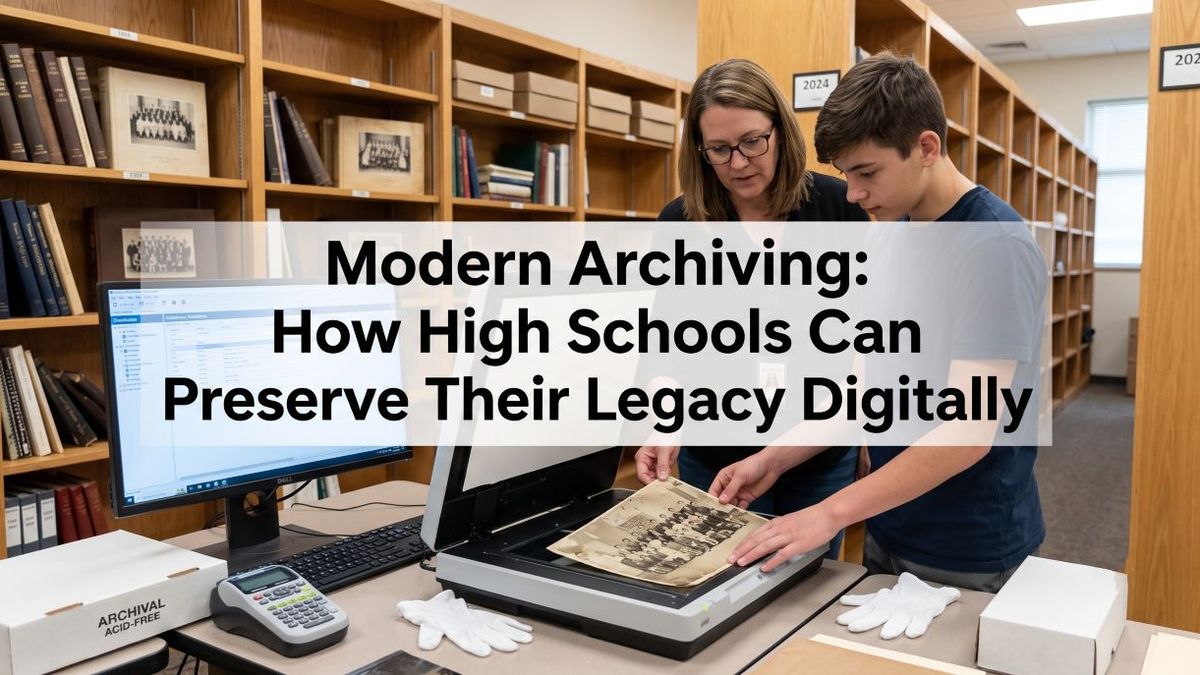
Preserving a school’s history has become a crucial task in our rapidly evolving landscape. For many institutions, an archiving project is no longer just about boxing up old memories; it's about creating living histories. The traditional method of keeping hard copies on dusty shelves is becoming obsolete. By transitioning to a robust digital ecosystem, institutions have a fantastic opportunity to protect their heritage in a way that improves both retention practices and community engagement.
Whether you need to preserve memories from a bygone era, an old newspaper, or an autograph book, converting these physical items provides a comprehensive solution for managing historical assets.
The Importance of an Archive for Schools
An archive for schools is more than just a collection of images; it's a gateway to the past, a tool for learning, and a powerful means to connect communities.
Preserving History for 100 Years and Beyond
Imagine opening a yearbook from decades ago. The pages might be yellowed, and the photograph inside might be faded. Physical items deteriorate, but when you digitize these precious items, you preserve them indefinitely. Digital files protect these memories from physical decay, ensuring they remain vibrant and accessible for future generations. Rather than storing reams of paper, an institution can securely store every crucial record. From a valuable old diary to an extensive directory, safeguarding guarantees that these assets are safe. Just like the national archives protect national heritage, your school can protect its unique legacy.
Enhancing Educational Value and Access
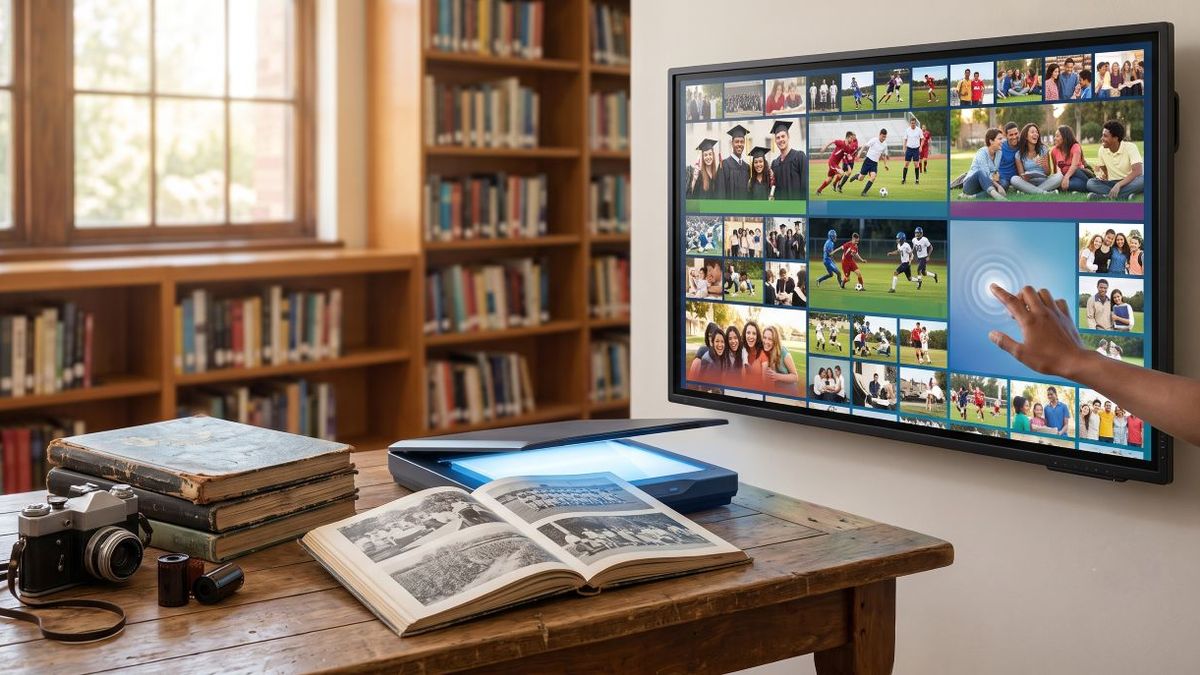
Beyond nostalgia, an archive serves as a rich educational resource. Students gain direct access to primary historical sources. For example, newspaper clippings or a journal entry can spark discussions and inspire classroom projects. Furthermore, making these items easy to find means that locating a specific graduation record or athletic achievement is no longer a tedious chore. Everything is easily accessible. A dedicated portal or touchscreen platform allows any alumnus, student, or visitor to interact with the present and future of the school while reflecting on its foundation.
Fostering a Sense of Community
Yearbooks, athletic awards, and school photography capture moments of shared experience. When these images are preserved in a digital archive, schools foster a profound sense of community. Revisiting old photos evokes positive emotions and strengthens bonds without the risk of damaging the original physical copies.
How to Launch Your Digital Archive
Creating a digital archive is a step-by-step journey that transforms physical memories into an interactive treasure trove. Here is how to seamlessly execute your initiative and eliminate clutter.
Step 1: Scan High-Quality Media
Start by converting physical items—like a photo, a student album, or a historic document—into a digital format. High-fidelity scanning is crucial to maintain the quality and readability of the materials. When you scan an old record, ensure you save it as a high-resolution image. Unlike paper, a digitized record doesn’t fade, tear, or get lost.
Step 2: Organize Your Files
A well-structured file naming convention is critical. Organize your scanned files in a clear folder structure so they are easy to locate. Use metadata tags to include information such as the date, the specific school year, or the event pictured. When you sort these files meticulously, perhaps tracking them in a master excel spreadsheet initially, the final upload to your software system becomes much smoother.
Step 3: Choose the Right Storage and Platform
Your collection must be securely stored. While local hard drives are useful, relying solely on them can be risky. A cloud-based platform ensures that your important documents have an automatic backup. This is especially vital for records management and compliance. Always ensure the chosen system adheres to strict privacy policy guidelines, including ferpa regulations, to protect sensitive student information.
Best Practices for Storing Important Records
Once you've created your archive, proper storage of the physical originals is still necessary.
Physical Protection
If you choose to keep the physical originals, or perhaps donate them to a local historical society, use archival-quality materials. Acid-free storage boxes and folders prevent chemical reactions that can harm delicate items. Proper physical preservation ensures that even if you have a digital copy, the original physical item remains in good condition.
Maximizing Digital Accessibility
To maximize the value of your digital archive, the user interface must be intuitive. Touchscreen recognition displays and interactive hall of fame setups are replacing static plaques and hidden file cabinets. By showcasing your interactive history through wall-mounted touchscreens, visitors can explore athletic achievements, historic milestones, and community recognition effortlessly. This modern approach keeps the archive alive and engaging, completely eliminating the need for cluttered spaces.
Conclusion
Transitioning from relying on physical copies to an interactive touchscreen experience is an investment in protecting history, enriching education, and connecting communities. Schools that embrace this technological shift will find themselves at the heart of a vibrant, engaged community where memories are cherished.
A successful digitization effort transforms forgotten boxes into a searchable, interactive experience. Start to protect your heritage today, secure your records with reliable backup solutions, and build a digital legacy that truly honors your community’s past.