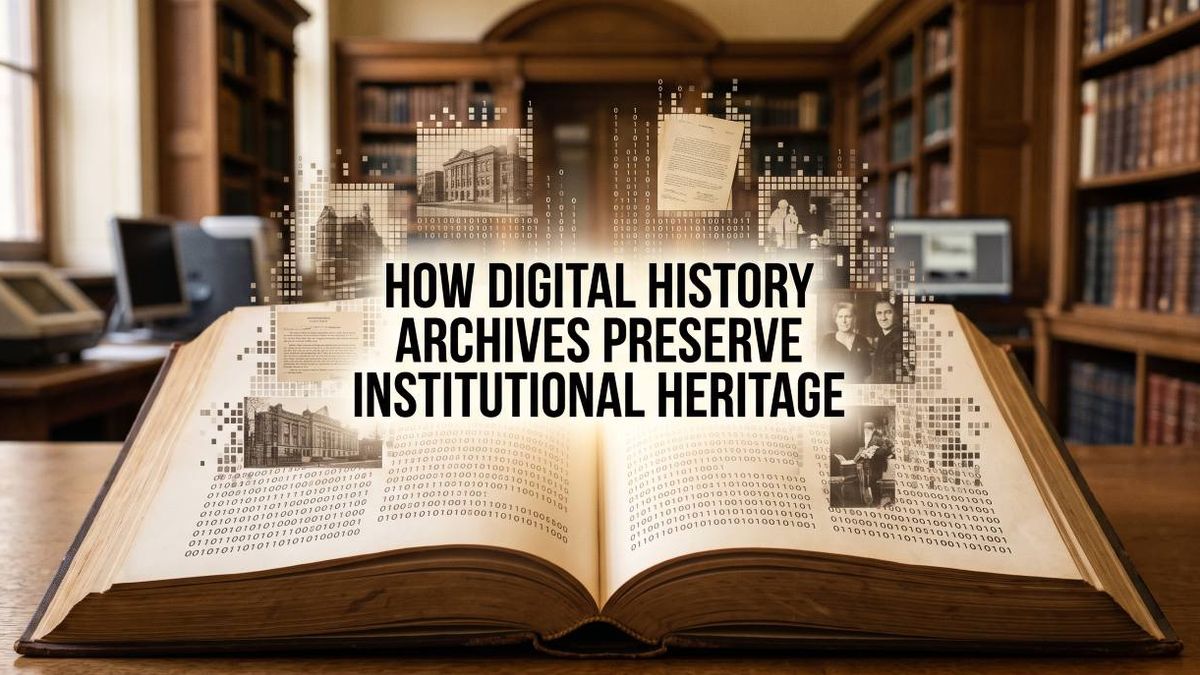
Institutions, museums, historical societies, and mission-driven organizations hold decades or centuries of irreplaceable history in photographs, documents, artifacts, and personal memories. Yet much of this heritage sits tucked away in storage rooms, deteriorating in filing cabinets, or fading alongside the memories of older generations. Physical decay threatens historical assets daily, while limited accessibility keeps communities from actively connecting with their past through digital libraries.
A digital history archive transforms scattered physical materials into a dynamic, organized, and accessible ecosystem. By pairing systematic preservation with modern touch interfaces and web platforms, organizations can protect irreplaceable assets while turning their history into an active part of daily life.
What Defines a True Digital History Archive?
A comprehensive digital history archive is far more than a folder of scanned files or an external drive of digitized images. It is an integrated framework designed for long-term survival, effortless discovery, and active public engagement.
High-Resolution Digitized Assets
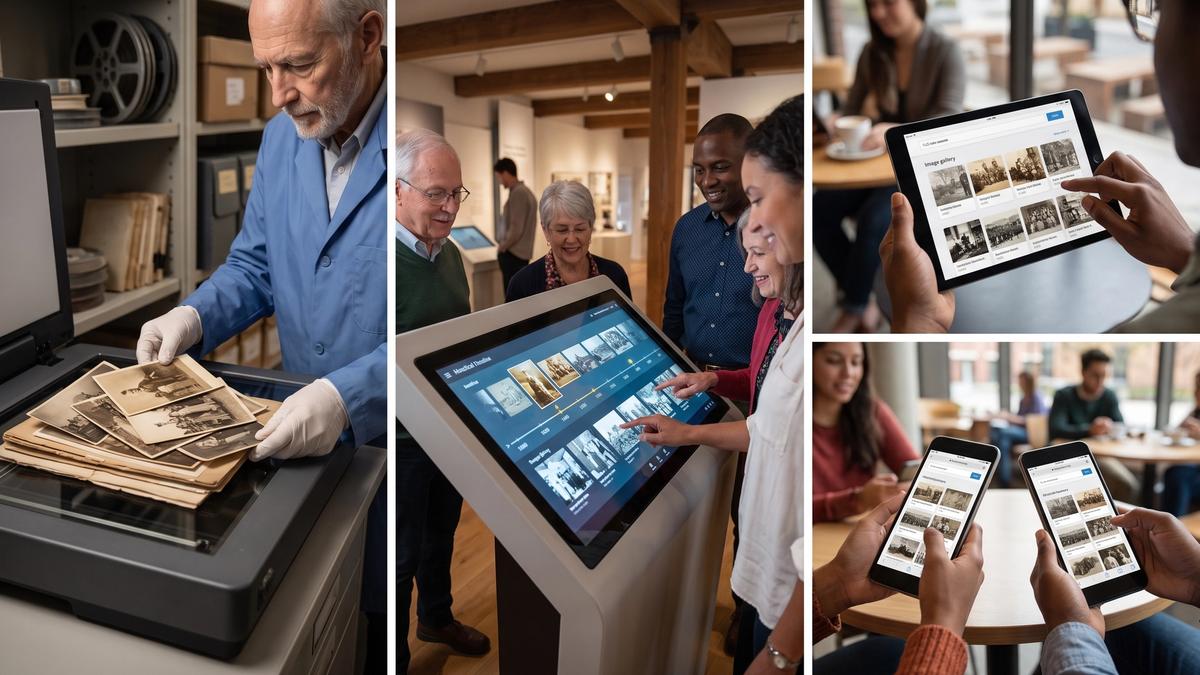
High-fidelity digital preservation creates archival-grade master files of paper documents, vintage photographs, publications, and three-dimensional artifacts for a historical archive. These digital assets preserve essential details while eliminating the wear and tear caused by handling fragile originals.
Structured Metadata Frameworks
Scanned images are only useful if they can be found. Metadata provides essential context—documenting the dates, subjects, locations, creators, and historical background of every item. This transforms unstructured scans into an interconnected, searchable repository.
Cloud-Native Archival Management
Cloud architecture removes the risks of local hardware failures and server maintenance. It provides automated backups, geographic redundancy, and controlled administrative access, allowing team members to curate, update, and manage collections from anywhere, enhancing the digital library experience.
Interactive Public Presentation
Digitized records deliver the most value when brought out of storage and into the light. Modern archives deliver content through high-traffic touchscreen kiosks, interactive video walls, and responsive web portals that invite casual visitors and researchers alike to explore historical collections.
Long-Term Digital Preservation Strategies
True digital archives plan for future technological shifts. Through automated file health checks, format migrations, and standardized preservation standards, digital records remain intact and readable as file formats evolve over decades.
Why Physical Storage Alone Is No Longer Enough
Relying entirely on traditional physical archives creates significant barriers to preservation and discovery:
- Restricted Physical Access: Physical collections require on-site visits during set operating hours, cutting off wider audiences, remote researchers, and community members who cannot travel in person, highlighting the need for online access.
- Continuous Degradation: Acidic paper, fading inks, and photographic emulsion breakdown occur naturally over time, making digital preservation essential for archival material. Routine handling and exposure to light or humidity accelerate this damage.
- Fragmented Searchability: Locating a specific name, historical milestone, or photograph in physical filing boxes requires extensive manual sorting and institutional familiarity that few possess.
- Passive Presentation: Traditional museum cases and wall frames offer static, one-way viewing with limited physical space, unlike digital collections that provide access to a broader audience. They present only a tiny fraction of a collection at any given time.
Core Strategies for Modern Digital Archiving
Building a sustainable, high-impact digital archive involves a balance of professional preservation practices and accessible presentation technology.
Systematic Material Digitization
High-standard digitization captures physical items with precision, ensuring they are preserved as part of our cultural heritage. Archival preservation standards generally call for high-resolution uncompressed master captures (such as 600 DPI master files) alongside optimized derivatives for rapid screen rendering and online streaming. Non-destructive equipment, such as book cradles, preserves bound historical volumes and publications during scanning.
Optical Character Recognition (OCR)
OCR technology reads printed and typed documents, transforming raw scans into full-text searchable databases for digital libraries. Rather than manually skimming through decades of records, users can instantly query names, events, and keywords across thousands of pages.
Unified Content Management
A unified archival engine manages collections across all outputs. Updates made in the central database instantly reflect across physical touchscreen displays, online research portals, and donor-facing exhibits without requiring redundant uploads or administrative overhead.
Interactive Presentation: Bringing Collections to Life
Preserved history achieves its real impact when placed where people can see and interact with it. Digital displays turn passive hallways and lobbies into engaging discovery centers.
Strategic Placement in Shared Spaces
Locating commercial-grade interactive displays in high-traffic spaces—such as main entrance lobbies, libraries, gathering commons, and administrative halls—ensures that history meets visitors naturally in their everyday routines.
Dynamic, Multi-Threaded Exploration
Unlike static physical exhibits, interactive touchscreen software allows users to navigate history along the paths that interest them most:
- Chronological Timelines: digital archives can utilize these timelines to effectively showcase historical materials. Users can slide across eras and decades to see institutional growth and historic turning points unfold over time.
- Category and Thematic Browsing: Visitors can jump directly into dedicated collections, such as leadership records, architectural changes, athletic and artistic milestones, or community service initiatives.
- Instant Keyword and Name Search: On-screen keyboards let community members search for family names, specific years, or memorable events, pulling up relevant documents, photographs, and audio in seconds.
- Multimedia Storytelling: Displays combine historic audio recordings, digitized film clips, high-resolution imagery, and written narrative into an immersive experience.
Expanding the Archive: Specialized Media and Living Memory
A complete institutional record involves diverse media formats that require unique collection strategies:
- Historic Publications: digitizing these works ensures they become part of our digital collections for future generations. Digitizing annuals, newsletters, and official publications creates a permanent, searchable record of organizational milestones, community traditions, and member involvement.
- Audiovisual Media: Magnetic tapes, film reels, and early digital formats degrade rapidly and face equipment obsolescence. Migrating these assets to modern formats, paired with text transcripts and closed captions, preserves these voices for the future.
- Oral History Initiatives: digital collections can play a crucial role in preserving and sharing these narratives. Formal records tell what happened, but recorded interviews capture why it mattered. Documenting the spoken memories of longtime leaders, community elders, and key participants preserves irreplaceable cultural context.
- Collaborative Community Crowdsourcing: Much of an organization's history lives in private family scrapbooks and personal photo albums. Providing clear digital submission portals and hosting community scanning events brings these hidden treasures into the collective archive.
Step-by-Step Implementation Roadmap
Implementing a digital archive succeeds best through a structured, phased approach that delivers early results while building long-term capacity for managing archival material.
Phase 1: Assessment and Curation
- Conduct a thorough inventory of physical materials, locating items across all storage areas and files.
- Prioritize collections facing immediate deterioration or holding significant community interest.
- Establish clear collection scopes, privacy standards, and metadata guidelines to enhance the management of digital collections.
Phase 2: Digitization and Platform Setup
- Begin high-resolution scanning of priority physical assets, applying automated OCR processing to printed materials.
- Configure a cloud-based management platform with structured taxonomy and access permissions.
- Deploy an initial interactive touchscreen display in a central lobby or gathering space to demonstrate value and spark public interest.
Phase 3: Expansion and Community Integration
- Broaden digitization efforts to include secondary records, media formats, and crowdsourced community collection.
- Roll out a public-facing web portal, giving global access to researchers, supporters, and remote community members.
- Establish routine, annual documentation practices to capture modern digital materials as they are created, preventing future archival gaps.
Measuring Real-World Impact
A digital history archive delivers tangible returns across multiple operational and community goals:
- Deepened Community Engagement: Visitors spend significantly more time exploring responsive digital archives than traditional static displays, building stronger emotional connections to institutional traditions.
- Strengthened Donor and Alumni Relations: Making organizational heritage visible honors the contributions of past generations, validating the efforts of long-term supporters and inspiring future philanthropic giving.
- Permanent Risk Mitigation: Digital redundancy protects cultural assets against physical disasters, unexpected water damage, mold, and natural material decay.
- Enhanced Educational Value: Readily searchable primary sources give educators, researchers, and visitors direct access to authentic historical evidence.
Preserving Your Heritage for Generations to Come
Every organization possesses a distinct journey, built from the challenges, innovations, and collective achievements of the people who shaped it. Allowing these stories to remain hidden in physical storage risks losing them permanently to physical decay and the passage of time, emphasizing the need for online access to cultural heritage.
Modern digital archiving bridges the past and the present. By uniting systematic digital preservation with intuitive, interactive touchscreen technology and cloud access, institutions can safeguard their history, honor their community, and keep their legacy actively accessible for generations to come.